Knowing how to keep groceries cold on the way home sounds simple—until a warm car, a long checkout line or one extra errand adds time to the trip. Frozen foods can begin to soften, refrigerated items warm up, and delicate produce gets crowded between heavier packages.
A good insulated grocery bag helps slow temperature change, but the way you shop and pack matters just as much. The USDA recommends choosing refrigerated and frozen foods after nonperishable items and refrigerating perishables promptly—within two hours, or within one hour when the temperature is above 90°F. You can review the USDA’s food-safety basics for more guidance.
1. Shop for Cold and Frozen Foods Last
Start with shelf-stable groceries, household supplies and produce. Visit the dairy, meat and frozen-food sections near the end of your trip so cold items spend less time away from refrigeration.
2. Create Two Temperature Zones
Two insulated totes make it easier to organize the trip home. Use one for frozen foods and another for refrigerated items such as milk, cheese and yogurt. Keep raw meat and poultry securely wrapped and separated from produce and ready-to-eat foods to help reduce the risk of cross-contamination.
3. Close the Zipper as Soon as the Bag Is Packed
An insulated tote works best when the top is fully closed. A zip-top closure helps contain the cool air around your groceries and protects the contents from warm air in the car. Try not to reopen the bag until you arrive home.
4. Add Frozen Gel Packs When the Trip Is Longer
For hot days, longer drives or multiple stops, add frozen gel packs or another cold source. The USDA advises keeping cold food at 40°F or below and packing a cooler with plenty of ice or frozen gel packs when transporting food. An insulated tote slows warming, but it is not a replacement for a refrigerator or a properly packed cooler when extended temperature control is needed.
5. Pack Efficiently—but Do Not Block the Closure
Place heavier, sturdier packages on the bottom and lighter items on top. Keeping cold products reasonably close together can help them stay cool, but leave enough room to close the zipper completely without crushing delicate food.
6. Keep the Bags Out of Direct Sunlight
Place your insulated totes in the coolest practical part of the vehicle, away from direct sunlight. When possible, keep them in the air-conditioned passenger area instead of a hot trunk, secure them so they cannot tip, and drive directly home before making additional stops.
7. Unpack, Wipe Clean and Store for Next Time
Refrigerate and freeze perishables promptly when you arrive. Then wipe the tote’s lining with a damp cloth and let it dry completely before folding it for storage. Store clean, dry totes near the front door so they are ready for the next grocery run. If you keep them in the car, let hot bags cool before packing chilled food.
Why a Two-Tote System Works
A two-tote system gives you more flexibility than trying to fit everything into one oversized bag. You can separate frozen and refrigerated foods, keep raw packages away from ready-to-eat items, divide the weight between two hands or leave one tote ready in each vehicle.
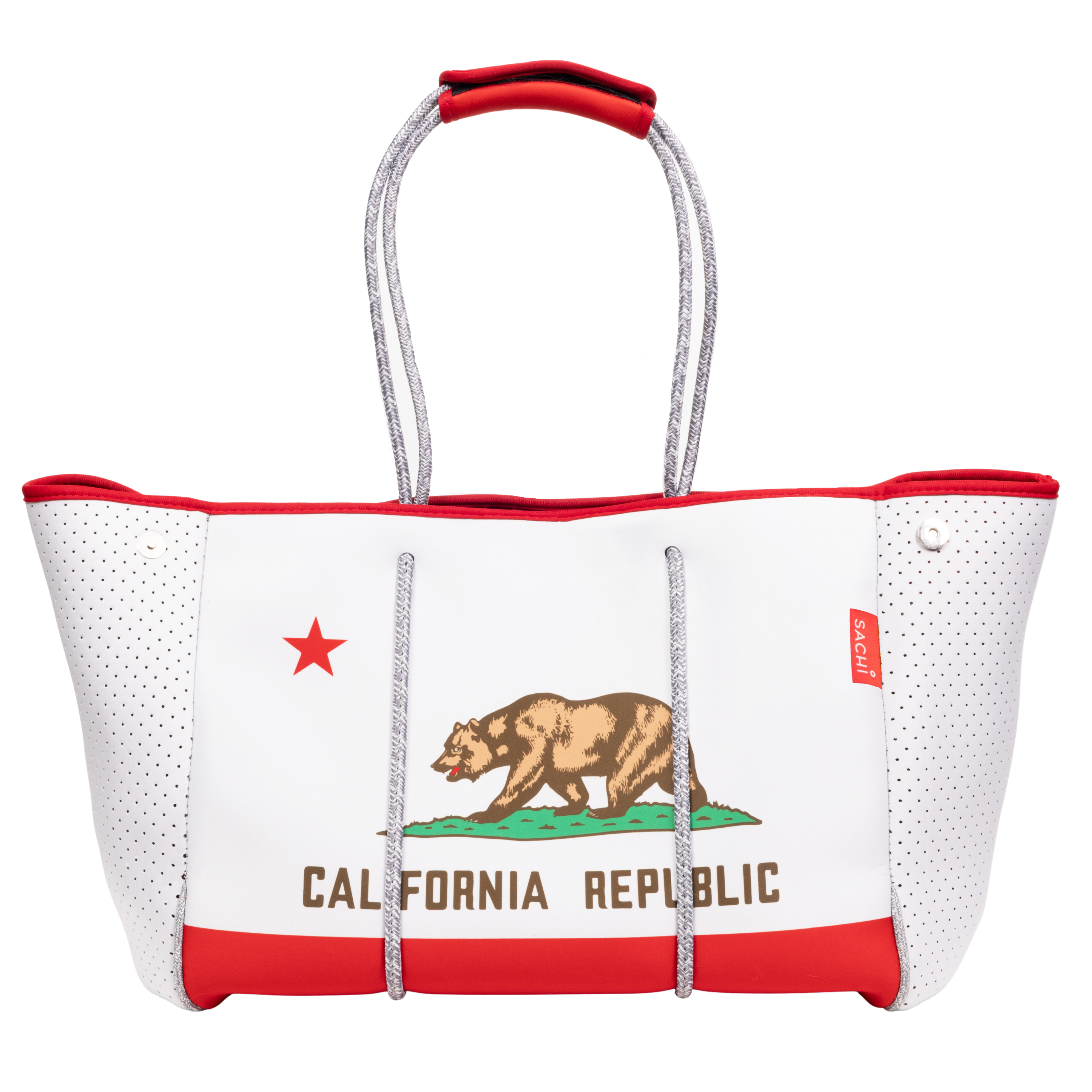
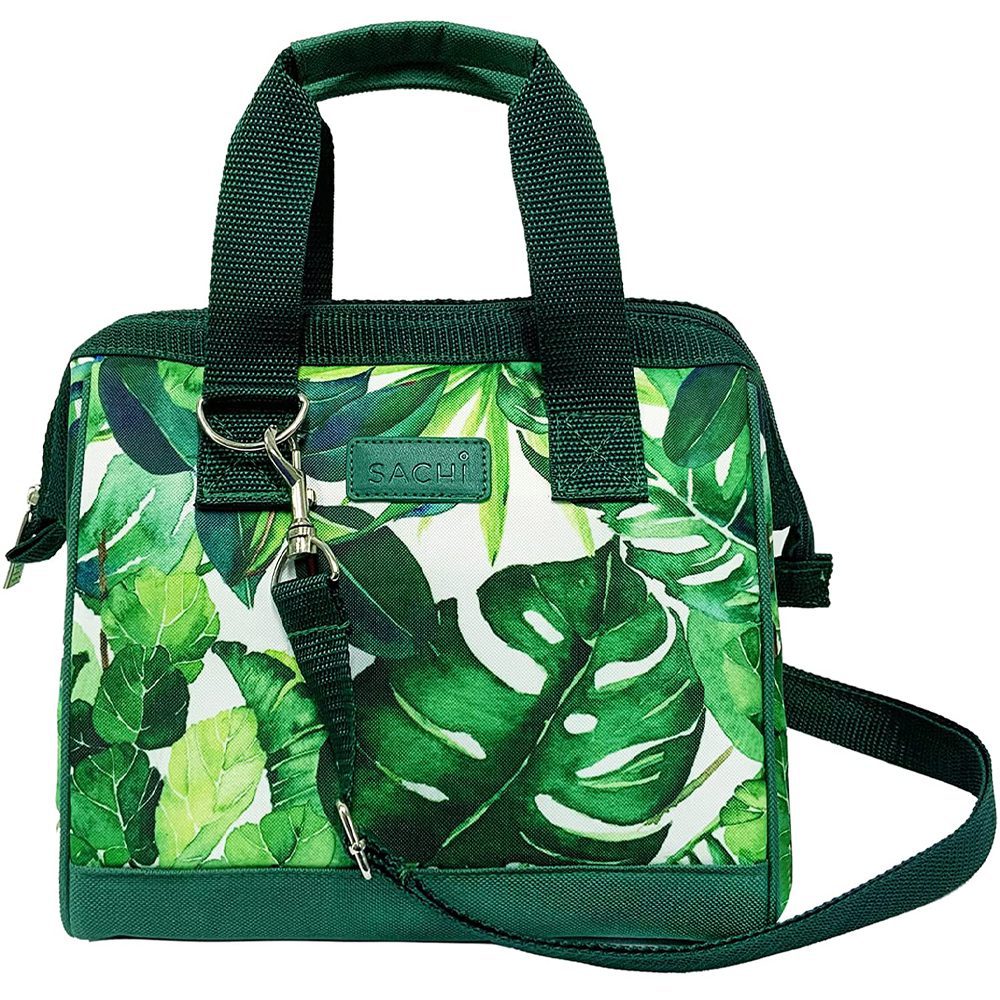
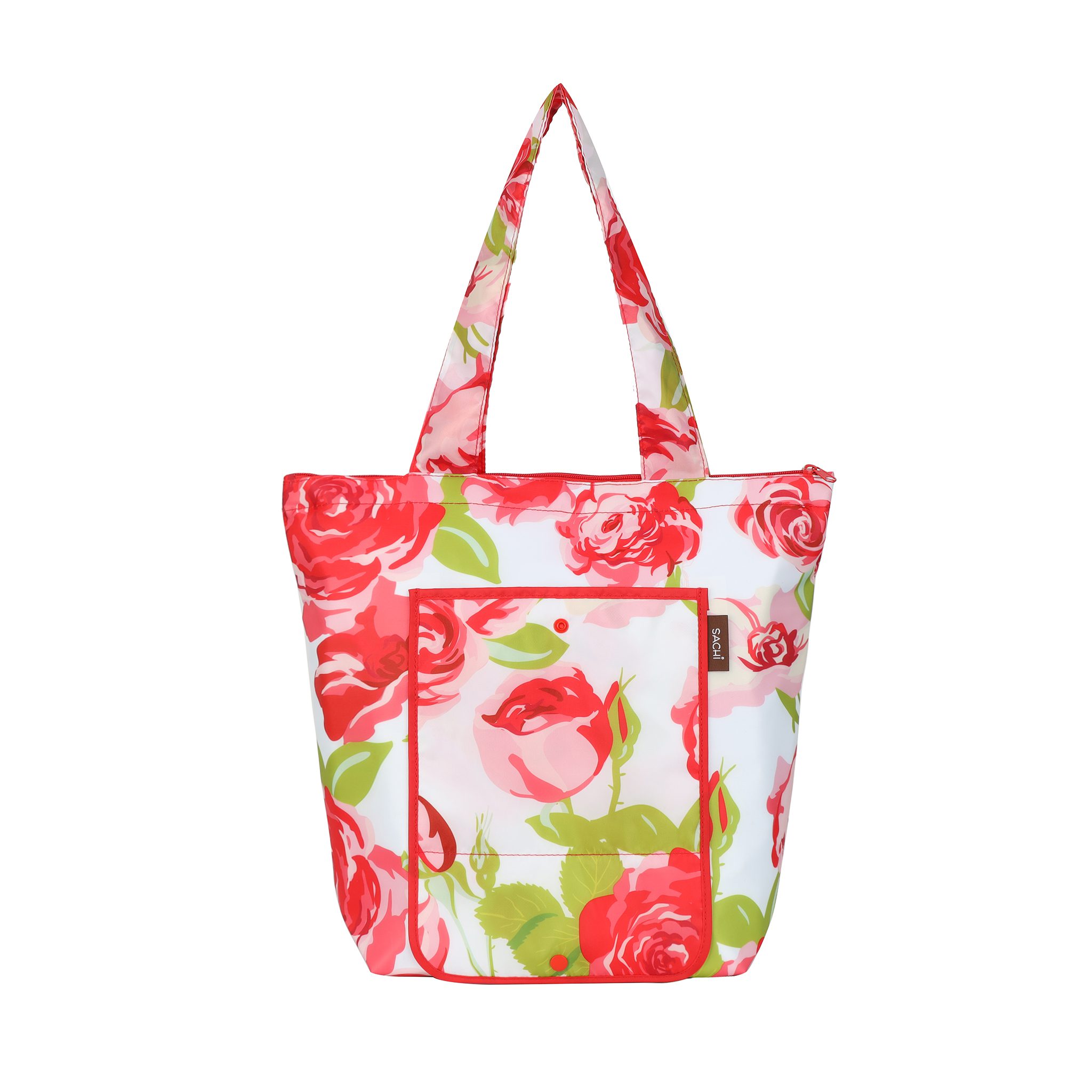
SACHI’s 2-Piece Insulated Market Tote Sets include two coordinating reusable totes with zip-top closures, insulated interiors, wipe-clean linings and compact fold-and-snap designs. There are six coordinated styles currently available for $21.99 per set.
All six SACHI 2-Piece Insulated Market Tote Sets are now available. Explore the coordinated prints, practical features and everyday uses of each $21.99 pair.


How to Keep Groceries Cold on the Way Home: 7 Simple Tips
Table of Contents
Knowing how to keep groceries cold on the way home sounds simple—until a warm car, a long checkout line or one extra errand adds time to the trip. Frozen foods can begin to soften, refrigerated items warm up, and delicate produce gets crowded between heavier packages.
A good insulated grocery bag helps slow temperature change, but the way you shop and pack matters just as much. The USDA recommends choosing refrigerated and frozen foods after nonperishable items and refrigerating perishables promptly—within two hours, or within one hour when the temperature is above 90°F. You can review the USDA’s food-safety basics for more guidance.
1. Shop for Cold and Frozen Foods Last
Start with shelf-stable groceries, household supplies and produce. Visit the dairy, meat and frozen-food sections near the end of your trip so cold items spend less time away from refrigeration.
2. Create Two Temperature Zones
Two insulated totes make it easier to organize the trip home. Use one for frozen foods and another for refrigerated items such as milk, cheese and yogurt. Keep raw meat and poultry securely wrapped and separated from produce and ready-to-eat foods to help reduce the risk of cross-contamination.
3. Close the Zipper as Soon as the Bag Is Packed
An insulated tote works best when the top is fully closed. A zip-top closure helps contain the cool air around your groceries and protects the contents from warm air in the car. Try not to reopen the bag until you arrive home.
4. Add Frozen Gel Packs When the Trip Is Longer
For hot days, longer drives or multiple stops, add frozen gel packs or another cold source. The USDA advises keeping cold food at 40°F or below and packing a cooler with plenty of ice or frozen gel packs when transporting food. An insulated tote slows warming, but it is not a replacement for a refrigerator or a properly packed cooler when extended temperature control is needed.
5. Pack Efficiently—but Do Not Block the Closure
Place heavier, sturdier packages on the bottom and lighter items on top. Keeping cold products reasonably close together can help them stay cool, but leave enough room to close the zipper completely without crushing delicate food.
6. Keep the Bags Out of Direct Sunlight
Place your insulated totes in the coolest practical part of the vehicle, away from direct sunlight. When possible, keep them in the air-conditioned passenger area instead of a hot trunk, secure them so they cannot tip, and drive directly home before making additional stops.
7. Unpack, Wipe Clean and Store for Next Time
Refrigerate and freeze perishables promptly when you arrive. Then wipe the tote’s lining with a damp cloth and let it dry completely before folding it for storage. Store clean, dry totes near the front door so they are ready for the next grocery run. If you keep them in the car, let hot bags cool before packing chilled food.
Why a Two-Tote System Works
A two-tote system gives you more flexibility than trying to fit everything into one oversized bag. You can separate frozen and refrigerated foods, keep raw packages away from ready-to-eat items, divide the weight between two hands or leave one tote ready in each vehicle.
SACHI’s 2-Piece Insulated Market Tote Sets include two coordinating reusable totes with zip-top closures, insulated interiors, wipe-clean linings and compact fold-and-snap designs. There are six coordinated styles currently available for $21.99 per set.
For a closer look at every design, visit our guide to all six SACHI 2-piece tote sets.
Related Posts
Now Available: 6 SACHI 2-Piece Insulated Market Tote Sets
All six SACHI 2-Piece Insulated Market Tote Sets are now available. Explore the coordinated prints, practical features and everyday uses of each $21.99 pair.